
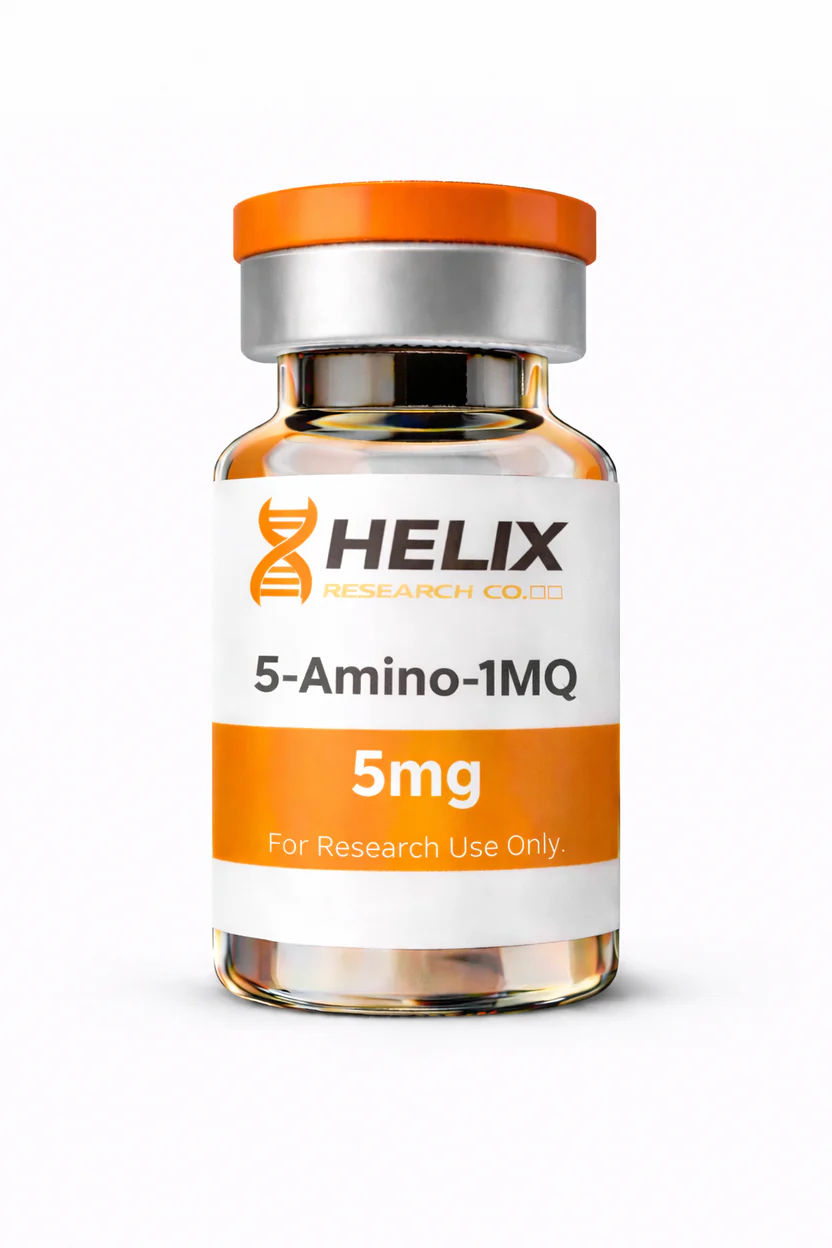
Amino-1MQ 5mg Peptide (10 vials) Original price was: $220.00.$210.00Current price is: $210.00.
Description
Amino-1MQ 5mg Peptide (10 vials)
Amino-1MQ 5mg peptide (10 vials) is a cutting-edge small molecule peptide derivative that has rapidly emerged as a focal point in the fields of obesity research, metabolic health, and longevity. It is a specialized inhibitor designed to target Nicotinamide N-methyltransferase (NNMT), an enzyme that plays a pivotal role in slowing down metabolism and promoting fat storage. For research institutions and laboratories investigating novel interventions for weight loss, diabetes, and age-related metabolic decline, the availability of Amino-1MQ in a 5mg, 10-vial supply offers a highly controlled and stable resource for conducting advanced preclinical studies.
Mechanism of Action: Unlocking Cellular Energy
The primary mechanism of action of Amino-1MQ centers on its ability to block the activity of NNMT. In adipose (fat) tissue, particularly in conditions of obesity, NNMT is overexpressed. This enzyme is responsible for methylating nicotinamide (a form of Vitamin B3), converting it into MeNAM. This process depletes the cellular pool of nicotinamide, which is essential for the production of Nicotinamide Adenine Dinucleotide (NAD+).
NAD+ is a critical coenzyme required for mitochondrial function—the power plant of the cell. When NNMT is overactive, NAD+ levels drop, leading to mitochondrial dysfunction, a slowdown in energy expenditure, and an accumulation of fat. By inhibiting NNMT, Amino-1MQ prevents the depletion of NAD+. This restoration of NAD+ levels reinvigorates the mitochondria, allowing them to metabolize fat efficiently. Essentially, Amino-1MQ reprograms the metabolic machinery of the cell to burn energy rather than store it, independent of caloric restriction.
Research Applications and Potential
The potential applications of Amino-1MQ in research are transformative, particularly regarding the global epidemic of obesity and metabolic syndrome.
- Treatment of Obesity: Preclinical studies indicate that Amino-1MQ can significantly reduce body weight and fat mass. Unlike traditional appetite suppressants, Amino-1MQ appears to work by increasing the basal metabolic rate. Research focuses on its ability to target visceral fat—the dangerous fat surrounding organs—without the loss of lean muscle mass.
- Type 2 Diabetes and Insulin Sensitivity: By improving mitochondrial function and reducing lipid accumulation in tissues, Amino-1MQ is investigated for its potential to reverse insulin resistance. Studies examine how the inhibition of NNMT can improve glucose tolerance and stabilize blood sugar levels, offering a potential new avenue for diabetes management.
- Anti-Aging and Longevity: Because NNMT activity is linked to aging and age-related metabolic slowdown, Amino-1MQ is also studied in the context of geroprotection. Researchers are exploring whether maintaining higher NAD+ levels through NNMT inhibition can delay the onset of age-associated metabolic decline and improve overall cellular health.
The 10-Vial Configuration: Precision and Stability
The packaging of Amino-1MQ in a 5mg, 10-vial configuration is designed to meet the exacting standards of modern pharmacological research. Studies involving metabolic inhibitors often require precise dosing to establish therapeutic windows and efficacy curves.
The 10-vial format facilitates this precision by allowing researchers to store the compound in a stable, lyophilized (freeze-dried) state until needed. Peptides and small molecule inhibitors can be sensitive to environmental factors such as moisture and temperature. By utilizing a single vial per experiment or per phase of a clinical trial, researchers eliminate the risk of degradation caused by repeated “freeze-thaw” cycles. This ensures that the chemical integrity of the Amino-1MQ is preserved from the first dose to the fiftieth, guaranteeing the reliability and reproducibility of the data.
Reconstitution and Handling
Amino-1MQ typically arrives in a vial containing 5mg of lyophilized powder. To prepare the compound for research applications, it must be reconstituted with a suitable bacteriostatic solvent, such as bacteriostatic water or sodium chloride solution. The solvent should be injected slowly into the vial, which should then be gently swirled until the powder is fully dissolved. Vigorous shaking should be avoided to prevent denaturation. Once reconstituted, the solution is generally stable for a limited period and should be handled with strict aseptic techniques to prevent contamination, which could invalidate cell culture studies or animal models.
Safety and Regulatory Disclaimer
It is imperative to emphasize that Amino-1MQ is strictly intended for research purposes and laboratory testing only. It is not intended for human consumption, diagnosis, or treatment. While the mechanism of NNMT inhibition is promising, the long-term safety profile and potential side effects in humans are still under investigation. Researchers should be aware that altering NAD+ metabolism can have widespread systemic effects. All handling must be conducted by qualified professionals in a controlled laboratory environment, wearing appropriate Personal Protective Equipment (PPE) and adhering to all relevant safety guidelines.
Conclusion
Amino-1MQ represents a paradigm shift in the approach to weight loss and metabolic health. Instead of focusing on the brain’s appetite centers, it targets the metabolic engines of the cells themselves, addressing the root cause of energy inefficiency. The 10-vial, 5mg supply kit provides researchers with the precision, stability, and volume necessary to thoroughly explore this groundbreaking compound. As the scientific community continues to search for effective treatments for obesity and diabetes, Amino-1MQ stands out as a potent and promising tool in the arsenal of metabolic research.


)
Reviews
There are no reviews yet.