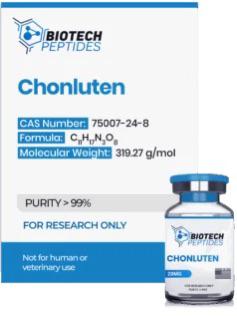
Chonluten peptide (10 vials)
Chonluten peptide (10 vials) is a synthetic bioregulatory peptide that has garnered significant attention in the fields of pulmonology, gastroenterology, and immunology. Classified as a cytogen, Chonluten is a short peptide sequence derived from the mucous membranes of the respiratory tract. Its primary biological role is to regulate the function of the lungs and bronchial tree, as well as the gastrointestinal mucosa. For research institutions focusing on chronic inflammatory conditions, tissue regeneration, and gene expression, the availability of Chonluten in a 10-vial supply offers a stable and practical platform for conducting in-depth studies on mucosal immunity and repair.
Mechanism of Action: Normalizing Gene Expression
The therapeutic potential of Chonluten lies in its ability to interact directly with the DNA of specific cells. As a tissue-specific peptide, it penetrates the cell nucleus of epithelial cells in the respiratory and digestive systems to regulate gene expression.
In pathological conditions, such as chronic inflammation or hypoxia (oxygen deprivation), the protein synthesis within cells is often disrupted, leading to impaired cellular function and tissue degradation. Chonluten works by normalizing this synthesis. It stimulates the production of functional proteins that are essential for the structural integrity and metabolic activity of mucosal membranes. Furthermore, research indicates that Chonluten possesses potent anti-inflammatory and antioxidant properties. It helps stabilize cellular membranes and reduces the permeability of the vascular wall, which is often compromised during inflammatory flare-ups. By restoring the functional balance of the mucosal epithelium, Chonluten aids in the normalization of the gas exchange process in the lungs and the absorptive capacity of the gut.
Research Applications and Potential
Chonluten is primarily investigated for its potential to treat and manage chronic diseases affecting the mucous membranes.
- Respiratory Health: This is the primary domain of Chonluten research. It is studied extensively for its efficacy in treating chronic bronchitis, asthma, and chronic obstructive pulmonary disease (COPD). Researchers are particularly interested in its ability to restore bronchial mucosa damaged by long-term smoking or viral infections. Additionally, it is a subject of study in post-viral recovery, specifically for repairing lung tissue damage following infections like pneumonia or COVID-19.
- Gastrointestinal Repair: Because the peptide shares structural similarities with tissues in the gut, it is also researched for its impact on the gastrointestinal tract. Studies explore its use in treating gastritis, peptic ulcers, and inflammatory bowel diseases (such as Crohn’s disease and ulcerative colitis), focusing on its ability to accelerate the healing of the mucosal lining.
- Immunomodulation: Chonluten is investigated for its role in balancing the immune system. By reducing chronic inflammation, it may help prevent the overactivation of the immune response that characterizes autoimmune conditions affecting the lungs and gut.
The 10-Vial Configuration: Ensuring Long-Term Stability
The packaging of Chonluten in a 10-vial configuration is specifically designed to support the rigorous demands of longitudinal scientific research. Studies involving mucosal repair and chronic inflammation often require extended observation periods, sometimes lasting several weeks or months, to observe meaningful tissue changes.
Peptides are sensitive biomolecules that can degrade when exposed to repeated temperature fluctuations or moisture. A 10-vial supply allows researchers to implement a robust storage strategy. The majority of the vials can be stored in a freezer at the recommended -20°C, preserving the peptide in its lyophilized (freeze-dried) state. Only one vial needs to be reconstituted at a time for active use. This compartmentalization prevents the degradation of the entire stock through “freeze-thaw” cycles, ensuring that the potency of the peptide remains consistent from the first day of the trial to the last, thereby guaranteeing the reliability of the data.
Reconstitution and Handling
Chonluten typically arrives in a vial containing lyophilized powder to maximize shelf life. To prepare the peptide for research applications, it must be reconstituted with a suitable solvent, such as bacteriostatic water or sterile water for injection. The solvent should be injected slowly into the vial, which should then be gently swirled until the powder is completely dissolved. Vigorous shaking should be avoided to prevent denaturing the peptide. Once reconstituted, the solution is ready for administration in animal models or for cell culture studies. Strict aseptic techniques are essential to prevent contamination.
Safety and Regulatory Disclaimer
It is imperative to emphasize that Chonluten is strictly intended for research purposes and laboratory testing only. It is not intended for human consumption, diagnosis, or treatment. While Chonluten is a bioregulator designed to mimic natural peptides, it is a potent experimental substance. All handling must be conducted by qualified professionals in a controlled laboratory environment, wearing appropriate Personal Protective Equipment (PPE) and adhering to all institutional safety guidelines.
Conclusion
Chonluten represents a promising frontier in the research of tissue-specific bioregulation. Its ability to target the genetic mechanisms of the respiratory and digestive systems offers a novel approach to treating chronic inflammatory and degenerative diseases. The 10-vial supply provides the necessary stability and logistical flexibility for researchers to explore the full potential of this peptide, potentially paving the way for new therapies that restore the vital mucous barriers of the human body.
Reviews
There are no reviews yet.
Related products
Peptide
Peptide
Peptide
Peptide
Peptide
Peptide
Peptide
Be the first to review “Chonluten peptide (10 vials)”