WHAT TO KNOW ABOUT PEPTIDE STORE
1. Peptide Store. Amino Acid Sequence and Structure
The most fundamental factor is the specific arrangement of amino acids in the chain.
- Specificity: The sequence dictates the 3D shape of the peptide, which determines which receptor it binds to. Changing even a single amino acid can radically alter the peptide’s function (e.g., the difference between GHRP-2 and GHRP-6).
- Bioidentical vs. Synthetic: Some peptides (like Ipamorelin) are bioidentical to what the body produces, while others (like BPC-157) are synthetic sequences derived from body proteins. The structure determines how “natural” the body perceives the molecule to be.
2. Stability and Half-Life
One of the biggest challenges with peptides is that they are naturally fragile and broken down quickly by enzymes in the blood (proteases).
- Natural Degradation: Unmodified peptides often have a half-life of minutes.
- Modification Techniques: To make them usable therapeutically, scientists modify the structure to extend half-life:
- PEGylation: Attaching polyethylene glycol to shield the peptide.
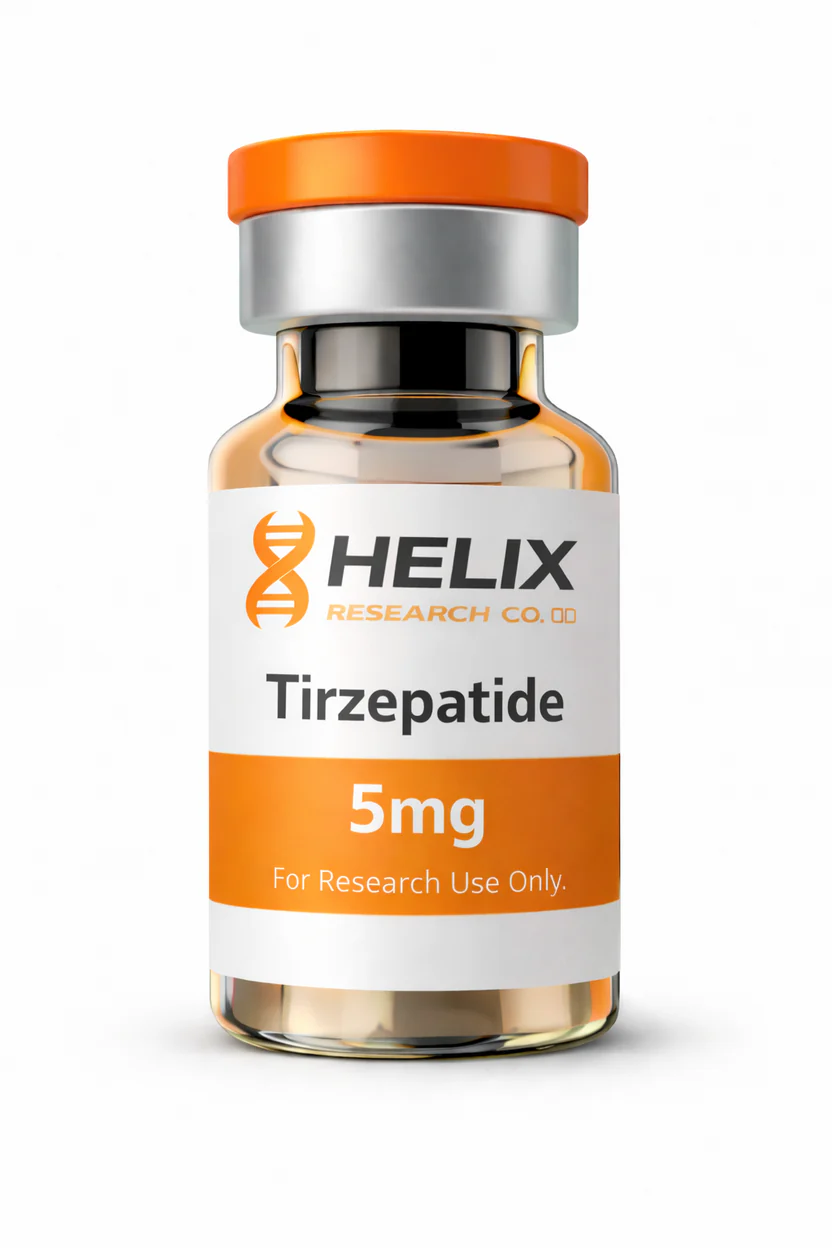
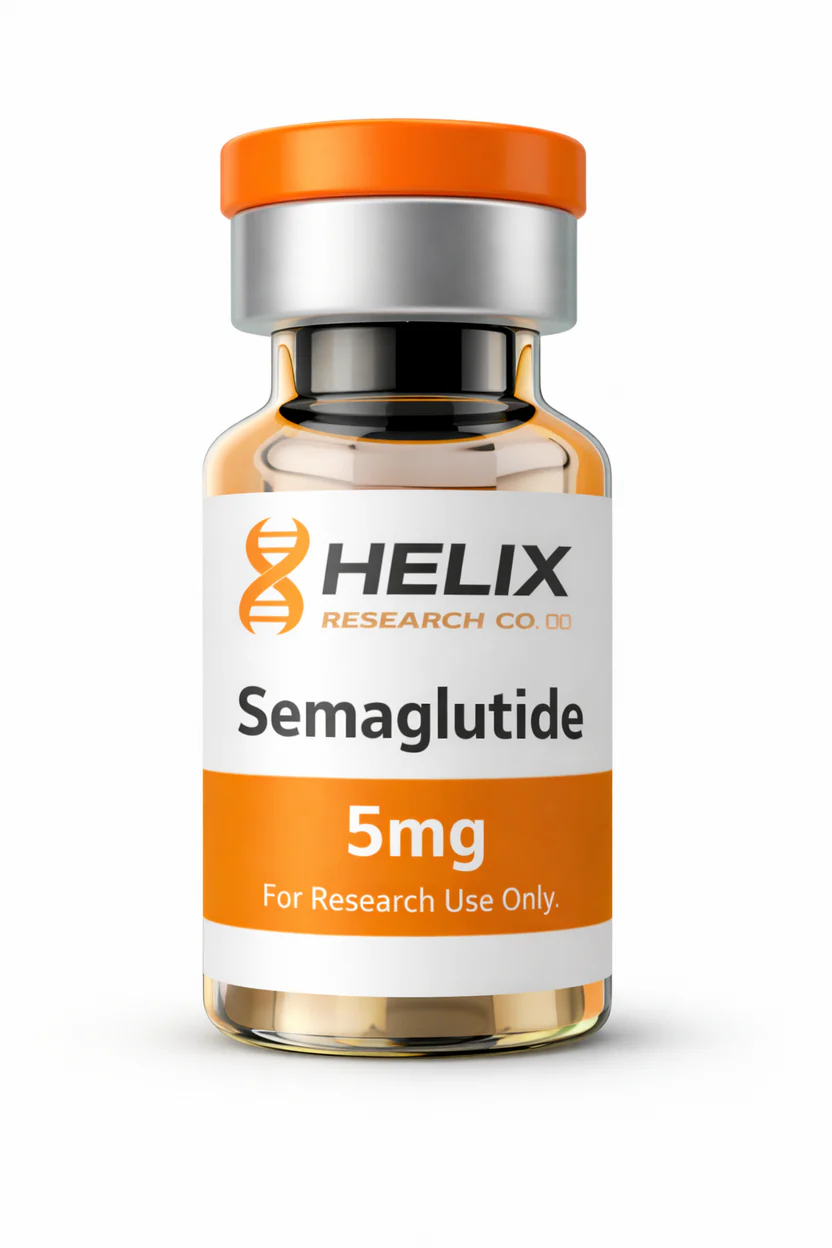
- Fatty Acid Chains: Adding a fatty acid (as seen in Semaglutide or Tirzepatide) allows the peptide to bind to albumin in the blood, slowing absorption and allowing for weekly dosing.
- Amidation: Capping the end of the chain to prevent enzymatic breakdown.
- Factor for Research: This factor determines the dosing frequency. A peptide with a short half-life (like HGH Fragment 176-191) requires multiple daily doses, while long-acting peptides (like CJC-1295 with DAC) require only once or twice weekly.
3. Mechanism of Action (Upstream vs. Downstream)
Peptides function differently from many anabolic drugs.
- Signal Transduction: Peptides usually bind to cell surface receptors (G-protein coupled receptors) rather than entering the cell nucleus directly like steroids. They act as a “key” that turns on a specific cellular “lock.”
- Upstream Regulation: Peptides often stimulate the body’s own production. For example, Sermorelin stimulates the pituitary to release Growth Hormone, whereas Somatropin is synthetic Growth Hormone. This makes peptides generally more “natural” in their regulation but dependent on the body’s own capacity to produce the downstream hormone.
4. Bioavailability and Route of Administration
How the peptide enters the body is a critical factor.
- The “Oral” Challenge: Most peptides are destroyed by stomach acid and digestive enzymes. Therefore, true peptide therapies are rarely effective as simple oral pills (unless they are modified like Rybelsus/Semaglutide tablets).
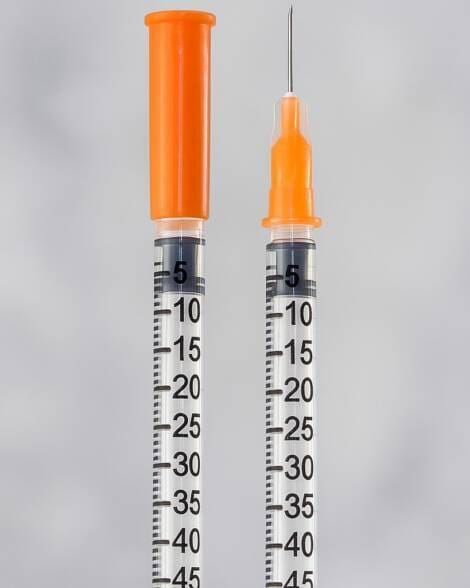
- Subcutaneous Injection (Sub-Q): This is the gold standard for most research peptides. It bypasses the stomach and liver (first-pass metabolism), allowing the peptide to enter the bloodstream directly.
- Nasal Sprays: Some peptides (like DSIP) can be administered nasally to cross the blood-brain barrier quickly, though bioavailability is generally lower than injection.
5. Receptor Selectivity (The “Magic” of Peptides)
Peptides can be designed to be highly selective, which is a key factor in reducing side effects compared to steroids.
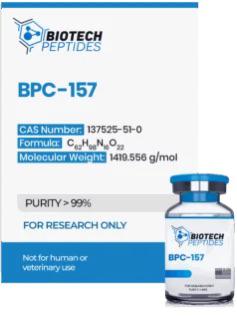
- Targeted Action: A peptide can be designed to target only the breakdown of fat (AOD-9604) or only the healing of tendons (BPC-157) without triggering androgenic side effects like hair loss or prostate growth.
- Bias Agonism: Newer peptides (like B7-33) are engineered to trigger only specific beneficial pathways of a receptor (anti-fibrotic) while avoiding the negative pathways (tumor growth promotion).
6. Purity and Manufacturing Quality
This is the most critical factor for researchers and users.
- Lyophilization (Freeze-Drying): Peptides are unstable in liquid form. They are sold as powder (lyophilized) to maintain stability. The quality of this freeze-drying process affects the peptide’s shelf life.
- Purity Percentage: High-quality research peptides should be >98% pure. Impurities (byproducts of synthesis) can cause severe allergic reactions (injection site welts) or immune responses.
- Storage: Peptides are hygroscopic (absorb water from air) and thermolabile (sensitive to heat). If a peptide is left at room temperature or improperly handled, the amino acid chain can degrade (oxidize), rendering it ineffective.
7. Synergy (Stacking)
Peptides often work best in combination, as they regulate different parts of the same pathway.
- The GHRH/GHRP Combo: Using a Growth Hormone Releasing Hormone (like CJC-1295) alongside a Growth Hormone Releasing Peptide (like Ipamorelin) creates a synergistic pulse of Growth Hormone that is greater than the sum of using either alone.
- Dual/Triple Agonists: New pharmaceuticals (like Retatrutide) combine multiple peptide actions (GLP-1 + GIP + Glucagon) into a single molecule for maximum metabolic effect.
Summary
The key factors of peptides revolve around stability (how long they last), delivery (how they get into the body), and specificity (what they target). Unlike steroids, which act like a sledgehammer on the system, peptides act like a key in a specific lock—but they require careful handling, storage, and precise dosing to be effective.
[row]
[col span=”3″ span__sm=”6″]
[/col]
[col span=”3″ span__sm=”6″]
[/col]
[col span=”3″ span__sm=”6″]
[/col]
[col span=”3″ span__sm=”6″]
[/col]
[/row]